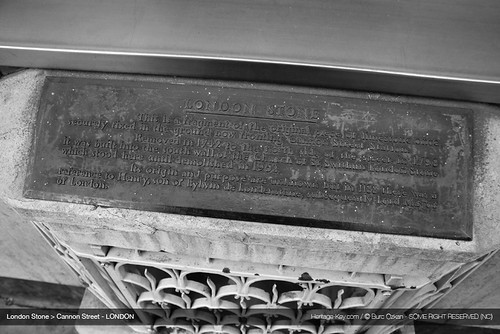
I’m so old I’ve lost my Marbles a little bit. Not unlike Greece in that respect…I can’t remember my own age. There aren’t really any records of me pre middle ages, yet you humans think I’m Roman!” Maybe the stone was punch-drunk 2,000 years back, by being beaten into shape by Trojan hero Brutus. “Brutus? Well, the chap was mythical yet I’m very much here. But I do like the legend.”When you’re talking to a famous stone, an obvious question to ask (other than ‘why am I talking to a stone?’) is what it makes of its more famous rocky…
-
-
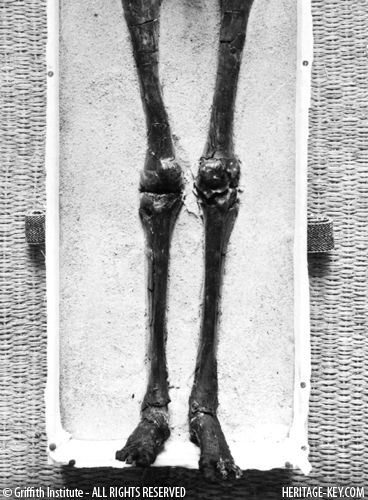
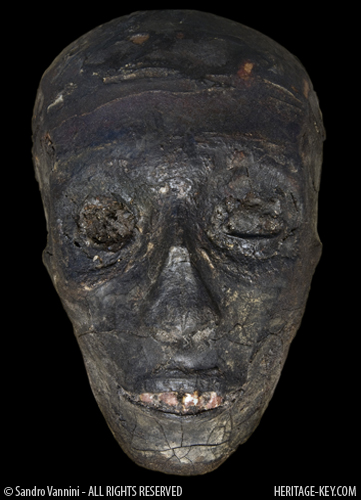
Ahead of tomorrow’s press conference on King Tut’s DNAand relatives, some of the news already escaped. Pharoah Tutankhamun died of complications from a broken leg aggravated by malaria. And his family? ‘Most likely’ (still) Akhenaten is the daddy, with one of Akhenaten’s sisters being Tutankhamun’s mum (and thus also his aunt!). The article – to be published tomorrow in the Journal of the American Medical Association alongside the press conference – contains results of over two years of research in two different dedicated ‘mummy labs’. It was already (though maybe not that widely) known that King Tut was not murdered,…
-
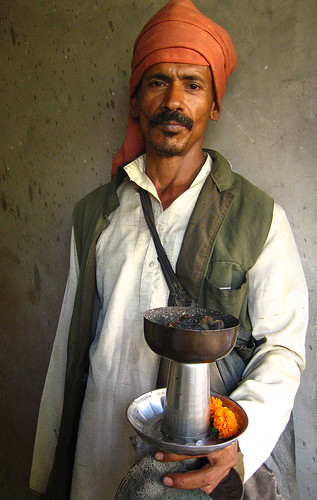
The ancient Egyptians were well aware of the properties of Frankincense, and used it to treat phlegm, asthma, throat and larynx infections that bleed, and for calming down vomiting. The inhalation of the melted stem relieves both bronchitis and laryngitis. But new research by immunologist Mahmoud Suhail suggests that it may contain properties that could cure cancer. Could the knowledge of the ancient Egyptians be scoured to revolutionise cancer treatment today? Frankincense is grown in green valleys, on the other side of the Dhofar Mountains that catch India’s summer monsoons, making the area a paradise in the Arabian Peninsula. Boswellia…
-
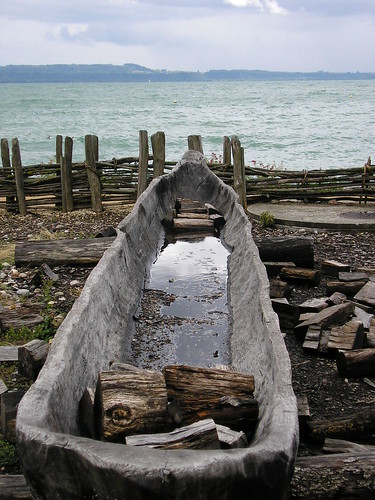
A 3,000 year old Bronze Age trading vessel the oldest shipwreck ever found in British waters has been located off the coast of Devon in southwest England. It went down around 900 BC carrying a precious cargo of tin and copper ingots from the continent, and has lain undetected on the seabed in just eight to ten metres of water in a bay near Salcombe ever since. Experts have hailed the discovery one of only four Bronze Age vessels found in British waters as extremely important, and genuinely exciting. Investigation and recovery work on the boats cargo was carried out…
-
Thanks to the Ancient World in London (and currently the books from Neal Stephenson) I’m quickly catching up on my history of London and neighbouring areas. I’m still far from an expert, or even seriously knowledgeable – hence I’ve decided to judge who the best invaders of London were on looks. Instantly the Silures – quite sexy in King Arthur, 2004 – spring to mind. Quite neglected when talking and writing about history, they would make the perfect entry… were it not that, unlike Boadicea, they never made it to London, and spent their days in Wales making sure the…
-
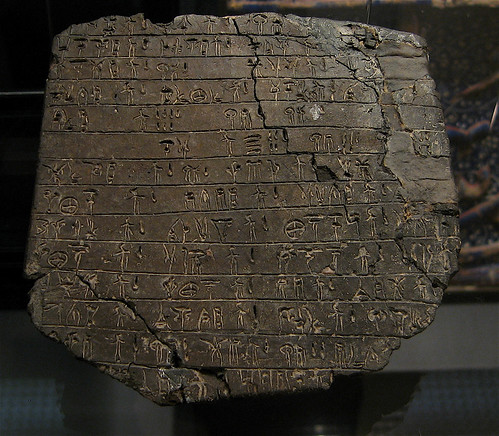
The history of Athens and its many monuments is endlessly exciting for visitors and you don’t need to be in the city itself to get a taste of its glorious past. Wander around London, admire a few buildings, have a short visit to the British Museum and then finish your day with a trip to the cinema and you will feel like you’ve been to transported to ancient Greece. So here are 10 points of call for experiencing your very own “Athens day” in London. 1. Clay tablets With Linear B Get to grips with the language of ancient Greece…
-
A researcher has uncovered evidence of a widespread scam in Israel that results in tourists buying recently looted artefacts without their knowledge. Buying antiquities in Israel is legal if they were found before 1978, the year a major antiquities law was passed. There are numerous dealers in Israel, who are required to register with the Israel Antiquities Authority and keep an inventory of the artefacts they have for sale. Dr. Morag Kersel, of Brown University in the United States, has been studying the illegal antiquities trade in Israel, Jordan and the Palestinian Territories. Dr Kersel has been conducting interviews with…
-
Georgiana Aitken, Head of Sale, Antiquities at Christies South Kensington, was kind enough to answer my questions about auctioneering. HK:Is it possible for an ordinary person to acquire items from antiquity? If you had, say, a few thousand pounds to spend? GA:Yes absolutely, antiquities are much more affordable and accessible than people would think. Estimates in our sales start at 500. HK:How healthy is the antiquity market at the moment from the point of view of the vendor and auctioneer? Has it been hit by the global economic downturn? GA: The Antiquities market has remained buoyant with strong results in…
-
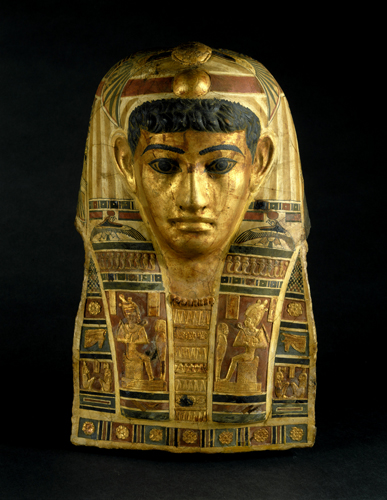
Ancient Egyptians faced tricky compromises over how they would be seen dead, a new exhibition at New York’s Brooklyn Museum reveals. “To Live Forever: Art and the Afterlife in Ancient Egypt,” emphasizes the often unpalatably expensive options that lay before Ancient Egyptians when considering burial. They had to think long and hard about what they could afford in the afterlife. As has often been pointed out, the phrase “you can’t take it with you” had absolutely no purchase in Ancient Egypt, and the lengths to which humans were expected to go to demonstrate material wealth in the next life made…
-
This Wednesday the long awaited results of the DNAresearch on King Tut’s mummy – and some of his possible family members – will be announced at a press conference with Egyptian Minister of Culture, FaroukHosni and Dr. Zahi Hawass. They will announce new discoveries surrounding the family of Tutankhamun and the cause of the young king’s death. The study on the family of Tutankhamun (keep an eye on all things Tut on our dedicated page) was conducted through the Egyptian Mummy Project (EMP) headed by Dr. Zahi Hawass, and a team composed of Egyptian scientists from the National Research Center,…