• world

    The Dating Method Stretches Back the Human History of Australia

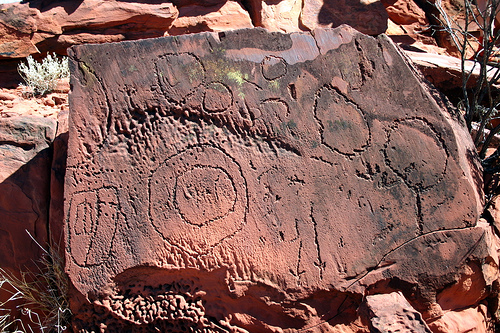
    Up until the 1950’s, it was widely believed that Australia wasn’t inhabited by the Aboriginals until 10,000 years ago. The breakthrough use of Carbon 14 dating extended the date to around 40,000 years ago. New techniques such as optically stimulated luminescence (OSL) and accelerator mass spectrometry (AMS), are giving evidence for an earlier date for arrival. Charles Dortch has dated recent finds on Rottnest Island, Western Australia at 70,000 years BP and following the analysis of pollen and charcoal, there were suggestions of people using fire to clear land in the Lake George basin in the Southern Tablelands of New…
  • owenjarus

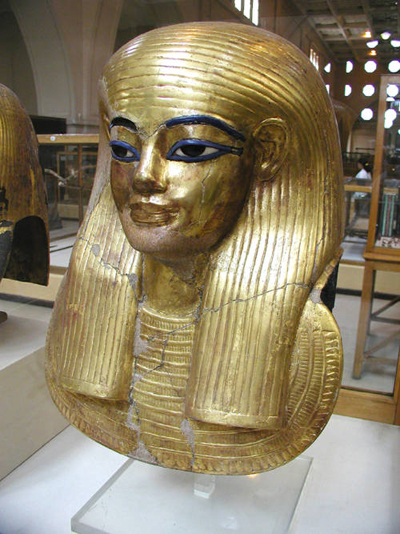
    Who Was King Tut’s Great-Grandfather? Meet Yuya, the Warrior of the Family

    The latest Tut research has revealed a king who, while still in his teens, probably had to walk around with a cane (as seen in this stele), had a cleft palette, suffered from malaria and had a spine that was out of whack. As an Egyptologist told me today, this pretty much kills the idea of King Tut as a sort of warrior king who died in a chariot accident. But for those wanting to see a warrior in the family, you may be interested in another research finding. The new Tut research has confirmed who one set of King…

  • owenjarus

    The big mystery the new Tut research did not solve – Amarna Art

    The King Tut results are in and right now everyone is going gaga over the fact that malaria appears to have played a role in the boy king’s death. While this is an interesting find, there is another discovery – King Tut looked fairly normal, or at least he did not have a significantly bizarre or feminine physique – which also carries major implications for Ancient Egyptian research. First a bit of background. During the reign of Akhenaten(who is probably Tut’s father)Egyptian art became, well, very weird. The formal prose that the Egyptians had followed for thousands of years was…

  • Ann

    King Tut Further Unwrapped – The Family of Tutankhamun Project

    It’s only 24 hours since all Tut broke lose, and additional information is still gradually being released (confirming my theory that the main bulk of the information was leaked too early ahead of the press conference). That, or it took the released information a while to percolate through my brain. The following bits are new or extra info (to me) from the official SCApress release. My grey mass failed to process the fact that this study is part of the ‘Family of Tutankhamun Project’ rather than the ‘Egyptian Mummy Project’. Somehow, limiting the scope does make sense, despite the Onion’s…

  • malcolmj

    First Pictures of Britain’s Oldest Shipwreck

    South West Maritime Archaeological Group (SWMAG) have sent us some of the first pictures of the remarkable finds recovered from the site of Britains oldest shipwreck a 3,000 year old Bronze Age trading vessel that sunk off the coast of Devonshire in southwest England around 900 BC. We blogged about its discovery on Tuesday. The wreck was located in just a few metres of water at the bottom of Wash Gully near Salcombe. When it went down, the boat was on its way back from the continent with a precious cargo of tin and copper ingots key raw metals in…

  • bija-knowles

    London’s Best Invaders – The Roman Traders

    When it comes to invading marauders, who had more influence in shaping London? To my mind, the Romans will win this hands down. They came, they saw, and they started building drains, underfloor heating and fancy mosaics. They also had awesome military organisation and ferocious fighting techniques, but I think the Romans should be remembered as the invaders to beat all other invaders for a slightly different reason. There’s no doubt they completely transformed the landscape of London. If it wasn’t for the Romans, Southwark would still be flooded by salt water twice a day. If Julius Caesar hadn’t landed…

  • lyn

    People Power Could Signal the End of Uluru Tourist Climb

    The tourist climb to the top of Australia’s most famous ancient site, Uluru, could be closed following the approval of a new management plan for the UNESCO World Heritage-listed Uluu-Kata Tjua National Park. However the final decision to close the controversial climb will not be made until one of the following three conditions is met. The number of people climbing the ancient icon drops from the current 38% to less than 20% The climb is no longer the major reason visitors travel to Uluru A range of new experiences are in place for visitors. It could therefore take years for…

  • sean-williams

    AWiL Video Series: Love and Sex in the Ancient World

    It’s the month of love, as our wealth of Valentine’s-inspired articles and contests testify (including dinner at Stonehenge Virtual and the top ten ancient romances), so from the murky history of theLondon Stone, we’ve delved into the mucky world of love and sex in the ancient world. A quick glance on the net will show you February has been linked with love since the Classical Period: Lupercalia, celebrated from the 13th to 15th, hailed fertility – while Gamelion worshipped the marriage of Zeus and Hera. But there’s a seedier side to Greco-Roman relations. And if you’ve ever seen the erotic…

  • veigapaula

    King Tut’s Medical History and Autopsy Report

    We are just learning fresh news about research on King Tut’s mummy, in advance of tomorrow’s publication in the American Medical Journal of the results of the most recent DNA and other tests. Over the years, there have been many different theories, but now we can scientifically prove what killed the Boy King, his parentage, and other health conditions affecting him at the time of his death. Early Research KV62 – Tut’s tomb – was discovered by Howard Carter in 1922. Multiple attempts at proving kinship between various royal mummies have been made since then, including tests by Connolly (1976),…

  • Ann - Articles & Blogs

    King Tut Unwrapped – Tutankhamun Mummy Forensics to Air on Discovery Channel

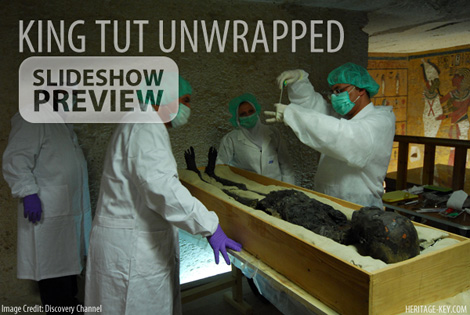
    When I wrote that it was most likely we’d see more conlusive information on King Tut’s pedigree on TV first, I obviously was wrong, partly. Spoiler alert:yes, King Tut died at age 19 of (in order) a failing immune system, a leg fracture and malaria, but for the the fine details, and juicy imagery, you’ll need to tune in to Discovery Channel’s ‘King Tut Unwrapped’. The network – which sponsored Egypt’s ‘mummy lab’ – promises us an unprecedented forensic investigation into the life and times of King Tut that reveals the identity of Tut’s parents and grandparents, details on his…