It’s the end of the Ancient World in London video series! We’ve travelled up and down the country getting the inside line on London’s impressive history, and we’ve seen no small number of ancient wonders along the way. So here’s a video of our best bits and what we thought of them – from the rebellion of Boudicca to the fearsome Maunsell Sea Forts. The series has been much more than the videos, though: we’ve been running bloggers’ challenges, real-world and virtual events, a pub quiz and even a special concert. Of course you can still see Stonehenge, the Valley…
-
-
At its peak during the 2nd century AD, Roman London (Londinium) had a population of up to 60,000 people and represented a thriving urban centre. But as the Roman Empire declined over the next 300 years, so too did the city. In 410, Britain was cut loose from the Empire altogether, and with it London. Troops and officials departed, and the city was left to fend for itself. Exactly what happened during the immediately ensuing phase in London’s history – which is referred to as the Sub-Roman period, and lasted from approximately 450 until 600 AD – is mysterious. A…
-
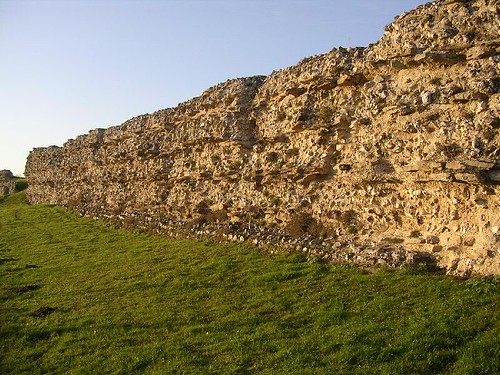
Boudicca’srampaging Celts tore through Calleva Atrebatum, now Silchester, killing thousands of Romans and leaving the town a smouldering wasteland. That’s what 13 years of excavations at the Berkshire town suggest, say a leading expert. Professor Michael Fulford of the University of Reading claims Silchester bears all the scars of the AD60 rebellion, in which up to 80,000 people were massacred by Boudicca and her Britons. An Iron Age settlement was found at Silchester just last year – and though it is often overlooked in the pantheon of Roman British towns Prof. Fulford insists it was at least as important than…
-
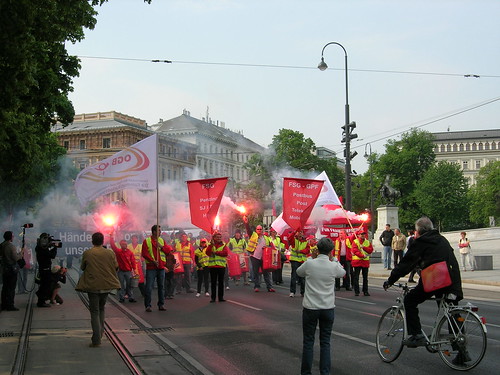
It’s May Day this Saturday. And while to most of us all it means is an extra day off work, to some it’s one of the year’s biggest dates. A menagerie of anarchists, anticapitalists and fairweather philosophers will descend on London intent on burning down burger bars and breaking the system. But among the madness and the rolling news stories, most of them won’t realise they’ve hijacked an ancient festival going back thousands of years – and they’ve all got it hopelessly wrong. May Day today is the sibling of International Workers’ Day, an anti-establishment bash dating back to the…
-
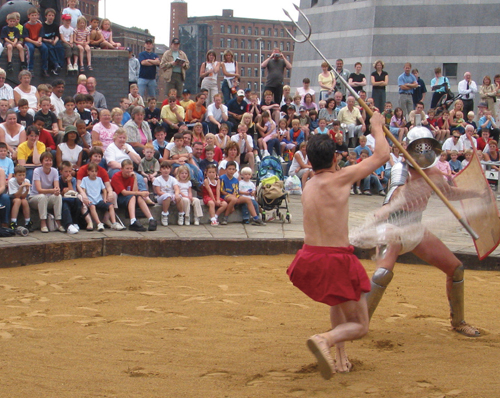
The Royal Armouries in Leeds is holding a series of Roman events this bank holiday weekend and, with the emphasis on arms, there is plenty of action for children and adults. The activities to get involved with include workshops on gladiatorial sword fighting, a chance to meet two Roman legionaries (Stilicho and Quintus) as well as arts and crafts sessions on how to make Roman swords and helmets. The aim of the events is to teach children of all ages about life (and particular the army) in Roman times as well as to showcase some of the Royal Armouries’ huge…
-
The story of Bronze Age Santorini (Thera) is one that has become a legend. Located between Crete and mainland Greece, this island supported a thriving civilization that reached its peak between 2000 1600 BC. Its main city, Akrotiri, had its own naval fleet and had trade connections throughout the Aegean and Near East. Its people produced beautiful frescoes thatdepicted everything from boxing matches toshipsand even antelopes. This civilization came to an abrupt end at some point in the late 17th century BC, when Akrotiri was devastated by earthquakes, causing the people to flee. Shortly thereafter a massive volcanic eruption occurred,…
-
Legendary history writer John Julius Norwich knows Venice better than most, if not all. Having recently edited The Great Cities in History (Thames & Hudson; see more info here), an epic ramble through the pioneering places in human history, he has also penned A History of Venice: The Rise to Empire and Venice: A Traveller’s Companion – and was, until recently, on the board of the Venice in Peril Fund. No surprises, then, that Venice occupies its own page in Great Cities, at the pinnacle of renaissance culture. Yet Lord Norwich, speaking to Heritage Key in this exclusive video, confides…
-
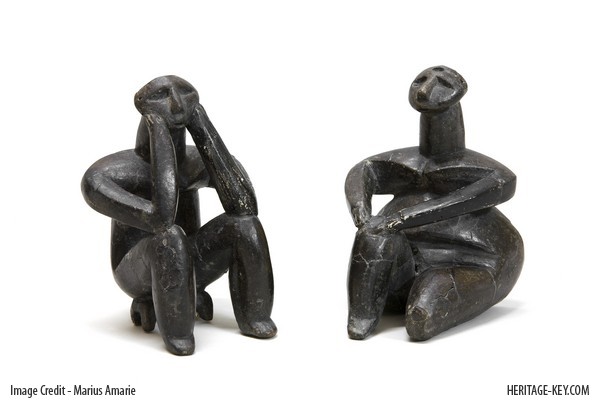
The discovery of the 7,000-year-old Varna Necropolis in 1972 send a shock through the archaeological world.Dated to the fifth millennium BC, the 264 graves and funerary gifts show that when the ancient Egyptians just started to settle the Nile Delta and long before the invention of the wheel, in modern day Bulgaria, ‘Old Europeans’ were already crafting high-quality gold and bronze objects.Neolithic farmers living in the fertile valleys of the Danube riverhad advanced ideas about the afterlife, widespread trade connections and the oldest known burial evidence of an elite male, yet most people – and even archaeologists -have never heard…
-
‘Evangelist explorers’ called Noah’s Ark Ministries International, (a name half-Orwell, half Playdays), search for the legendary vessel. Said explorers then ‘discover’ the ark up a Turkish mountain. Naturally not everyone welcomes the news without a hint of skepticism, and the blogosphere’s been buzzing with hoax stories, images, background info and videos – one of which you can see right here. So here’s a snippet of what the web’s been saying about this ‘breakthrough’ – Hot From NIMA The NIMA site itself gives little more than a few newspaper cut-outs (nearly all in Chinese) and an expedition timeline. Quote:March 2010 –…
-
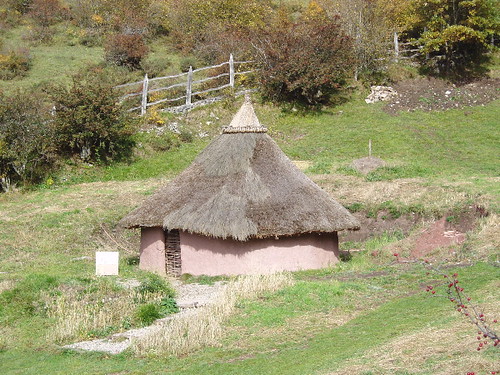
A replica Iron Age roundhouse is to be built in Chester, England, to teach local people about how people lived over two thousand years ago. Cities all over the country hold fascinating Iron Age secrets – watch our Ancient World in London video below to learn about pre-Roman London. The project, to be completed in August this year, will be housed in the grounds of Burwardsley Outdoor Education Centre, near Beeston Castle and Maiden Castle. The sheme, commissioned by Habitats and Hillforts, is part of a three-year landscape partnership between Cheshire West and Cheshire Council (CWaC), Chester Renaissance and the…