
New research, conducted by Dr. Amy Barron of the University of Toronto, is shedding light on the weapons and battle tactics used by the Assyrians during the first millennium BC. Assyria was a military powerhouse during this time. The empire they controlled stretched from modern day Iraq to the Mediterranean coast. They even managed to successfully invade Egypt, defeating the pharaoh Taharqa and installing rulers sympathetic to Assyria. But how did they do this? The Assyrian heartland was in central Iraq. Its not an area particularly rich in minerals or gold. There are few natural defensive pointsinthe area,making the task…
-
-
Rome Italy Key Dates The site is thought to have been in use from as early as the first century BC. It was disused after 260 AD. Key People The site was used during the time of Augustus, but was abandoned in 260 during the reign of Gallienus. Monte Testaccio, also known locally as Monte dei Cocci, is an artificial mound in Rome composed almost entirely of fragments of broken amphorae dating from as early as the first century BC to 260 AD. Some of the amphorae were labelled with tituli picti – trade marks and writing in black and…
-
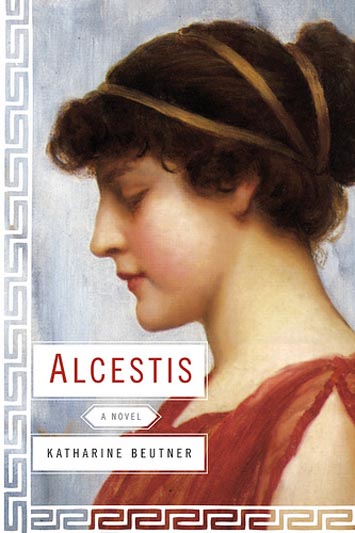
by Katharine Beutner Soho Press (2010) 7/10 Katharine Beutner puts a new twist on the ancient Greek myth of Alcestis, the wife so devoted to her husband she agreed to die for him. In the myth, Apollo persuaded the Fates to allow King Admetus of Pherae to live past the time of his appointed death if someone else would agree to die in his place. When not even the king’s elderly parents would do so, his wife, Alcestis, offered herself. She spent three days in Hades before her mourning husband sent Heracles to the underworld, where he won a wrestling…
-
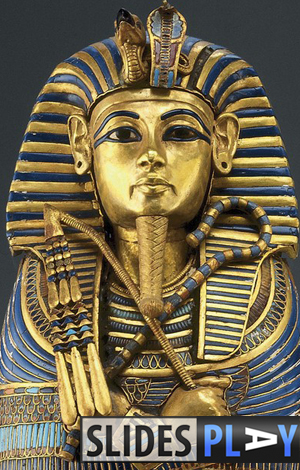
For me, the press preview of the Tutankhamun and the Golden Age of the Pharaohs exhibition, which opened in New York today, was a momentous event because I’ve never met Dr. Zahi Hawass before, and I got to look him in the eye and shake his hand and even ask him a question. I’ll come to all that in a minute. The exhibition is impressive. I can’t deny that. There was a moment when I actually stopped dead in my tracks, mouth open (soon to be hustled out of the way by a pushy New York journo). This happened when…
-
Boudicca is a stupid name for a ship. Naming a Liverpool-based cruiseliner after one someone who murdered around 80,000 Romans in antiquity is hardly a great idea, especially when said ship is supposed to be travelling round the Mediterranean – you know, the sea that’s right next to Italy. The Boudicca’s management are in hot water today, but not the balmy waters of the Med. Rather the ship has had to return to Liverpool early after passengers were struck with the nasty norovirus, an intestinal problem which causes vomiting, nausea and diarrhea, for the sixth time in as many months.…
-
Heritage Key reported recently that mummified baboons in the British Museum could reveal the location of the land of Punt – a place to which pharaohsorganized trading expeditions. To theEgyptians, Punt was a placeof fragrances, giraffes, electrum and other exotic goods. It was sometimes referred to as Ta-netjer ‘Gods land’ a huge compliment given that the Ancient Egyptians tended to view outside cultures with disdain. Although Egyptians record voyaging to it until the end of the New Kingdom, 3,000 years ago, scholars do not know where Punt was. Ancient texts offer only vagueallusions to its location and no ‘Puntite’ civilization…
-
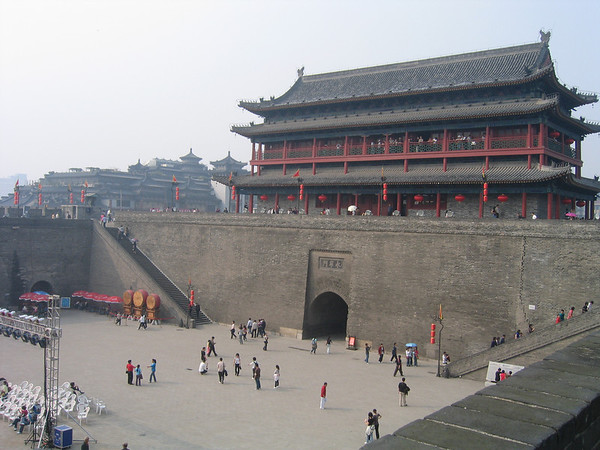
The famous city walls surrounding the ancient Chinese capital of Xian could be in store for a major makeover. Last week, the city publicized a plan to invest about $1.75 billion to renovate the already well-preserved walls, which have stood for centuries. The plan is meant to better restore the walls and beautify the area. It will also feature the construction of four new museums at the walls main entrances. Each of the museums will center on four different dynasties that include the Zhou, Qin, Han and Tang. (Pictures of the proposed plan can be found here.) Wang Tian, a…
-
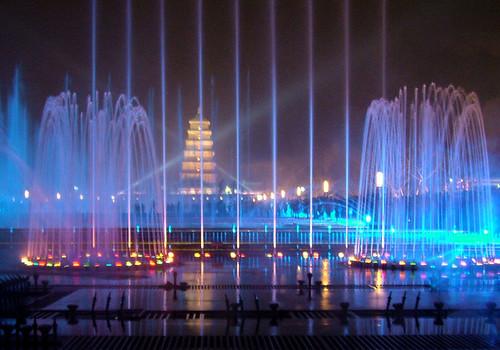
The Big Wild Goose Pagoda in Xi’an, China is a holy site for Buddhists, and a well preserved ancient relic. Built in 652 using a simple style of construction, the structure was created to hold Buddhist relics taken from India. It stands at 64.5 metres high, and its walls are engraved with fine statues of Buddha and calligraphy. China Roamer’s photograph shows a scene from the North Square – a 110,000 square metre waterscape and fountains plaza, the largest of its type inAsia. Composed completely of fountains, gardens, paths and sculptures, the area is perfectly portrayed in this night-time photograph.…
-
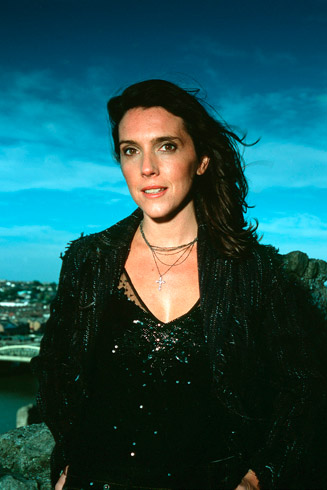
A key new signing has been made in the lead-up to the biggest sporting event of the year for philosophers: historian Bettany Hughes has joined Greek team Socrates Wanderers in a shock late move in the Philosophers’ Football Match 2010. Hughes, who has appeared in shows such Alexandria: The Greatest Cityand The Spartans joins a star-studded line-up for the show-off that includes comedians Mark Steel, Tony Hawks and Ariane Sharine. They’ll be facing off against a German side, Nietzsche Albion, featuring philosopher Julian Baggini, journalist Mark Vernon and funnyman Arthur Smith (missing his usual vets game for the occasion), as…
-
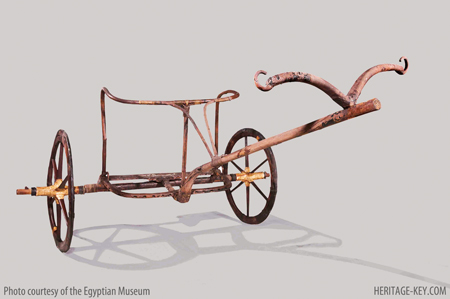
Dr. Zahi Hawass, the charismatic Secretary General of Eygpt’s Supreme Council of Antiquities, and chief bodyguard of Egypt’s ancient treasures, likes to make revelations to the media -and he didn’t disappoint atWednesday’s press preview of the final leg of ‘Tutankhamun and the Golden Age of the Pharaohs’, set to open at the Discovery Times Square Exposition onApril 23th. He announced, with a typical flourish of portentousness, that King Tut’s chariot will be arriving in about a month to augment the exhibition, which has already toured 7 cities and attracted 7 million visitors. “It is a masterpiece that has never travelled,”…