• sean-williams

    Tutankhamun Discoverer Carter’s Rest House Opened as Museum

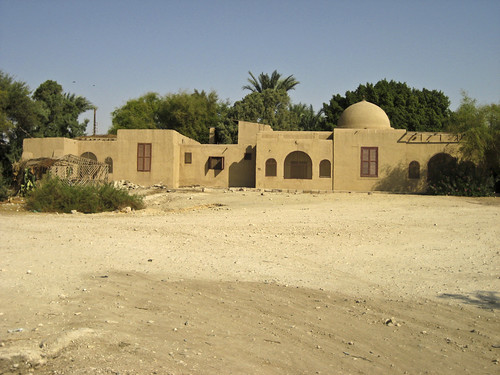
    The rest house of Howard Carter, discoverer of King Tutankhamun‘s tomb, has reopened to the public today as a museum. The mud-brick building, near the Valley of the Kings on Luxor‘s West Bank, was one of the projects earmarked by Egypt’s Supreme Council of Antiquities three months ago, as costly facelifts to Luxor were undertaken – including renovations to Luxor Temple and the Deir el-Bahritemple of Queen Hatshepsut. The house, from where Carter made his greatest discovery in 1922 with the backing of Lord Carnarvon, allows visitors to see the office and tools which made Carter an overnight celebrity 87…
  • site

    Egyptian Museum Cairo

    Attribution: jaywaykay Cairo Egypt Key Dates The museum was established in 1835. It moved to Boulaq in 1858. However the Boulaq building was destroyed in 1878. The museum moved to its current location in 1902. The Royal Mummy Room was closed in 1981, yet reopened in 1985. Key People President Anwar Sadat closed the Royal Mummy Room in 1981. The treasures of King Tutankhamun are held in the museum. Tutankhamun The Egyptian Museum of Antiquities, to give it its full name, is home to some 120,000 of the most treasured Egyptian artifacts in the country. The museum was founded in…

  • site

    Valley of the Kings

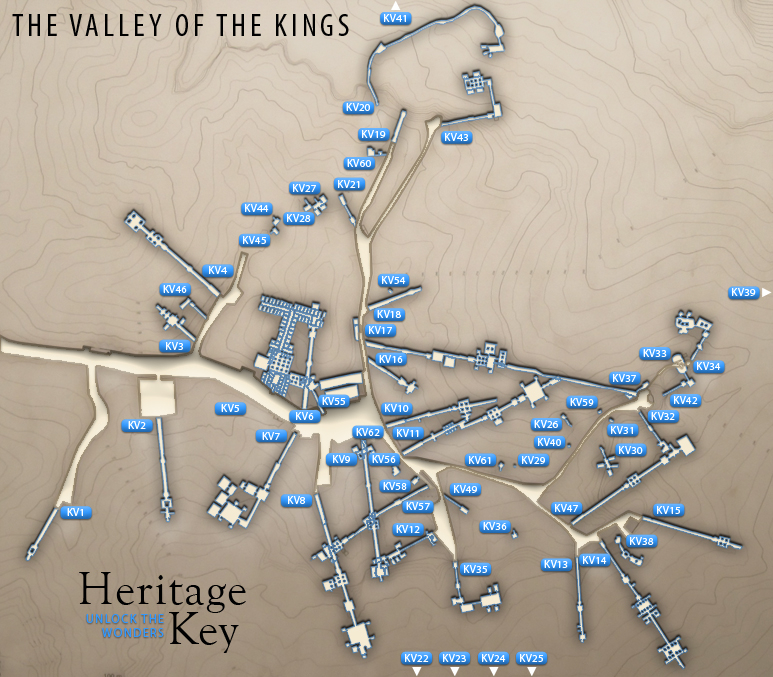
    Attribution: astique Luxor Egypt Key Dates The tombs here were constructed between 1550 and 1070 BC. Key People The pharaohs of the 18th, 19th and 20th Dynasties of Ancient Egypt’s New Kingdom were buried here, along with some of their wives, children and courtiers. Standing on the west bank of the Nile, across from ancient Thebes (now Luxor), the Valley of the Kings is one of Egypts most sensitive archaeological sites. Further discoveries in 2005 and 2008 have put the total number of tombs in the necropolis at 63 and these range from simple, single pits to lavish complexes, the largest of…

  • images

    Sandro Vannini’s Photography – The Alabaster Perfume Vase

    Calcite was a popular material used in ancient Egyptian times as the stone’s cool surfaces meant that the contents, such as perfumed fats and unguents, would be better preserved. However, perfumed fats were a luxury item and popular with grave-robbers in ancient times as they were easy to carry, and difficult to identify as being from a tomb. The Tomb of King Tutankhamun (KV62) was believed to have been raided of about 350 litres of perfumed fats and unguents, according to an estimate by the famous explorer Howard Carter! One of the most beautiful artefacts from King Tutankhamun’s tomb was…

  • malcolmj

    ArchaeoVideo: The Tomb of Diplomat Montuemhat Featuring Dr Farouk Gomaa

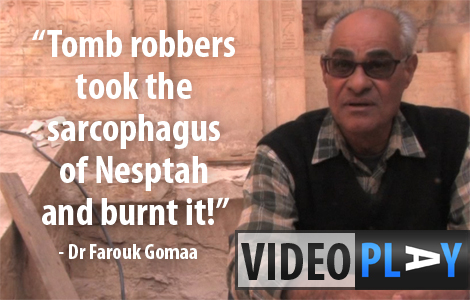
    The tomb is one of the largest in Thebes, says Dr Farouk Gomaa, the highly-respected archaeologist from the University of Tbingen in Germany who is leading the exploration of the burial monument of Montuemhat, in a new video interview for Heritage Key by Nico Piazza. Clearly, Montuemhat was a powerful and influential figure in ancient Egypt if he was able to carve out such a substantial resting place for himself in the necropolis of the pharaohs. Yet you wont find him on any Egyptian king lists. In this latest ArchaeoVideo from the Theban tombs, from where Sandro Vannini has been…

  • owenjarus

    Who says snow and Egypt don’t go together? Symposium, King Tut, hit Toronto this month!

    Toronto is a good place to be for Egyptian lovers this month. While the weather in Toronto isnt exactly like Cairo (snowfall is common during November), there is going to be lots of important Egyptian activities happening. First the big event King Tut is coming to town! The North American show, which made its last stop in Indianapolis, is opening at the Art Gallery of Ontario on November 24. Advance tickets are on sale now. The show is going to go beyond King Tuts tomb to explore Egypt as it was during the Amarna period. One of the most important…

  • sean-williams

    The EES Archives Explored in London

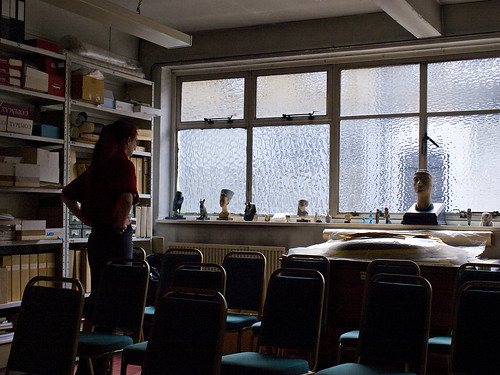
    Heritage Key loves the tales woven by the archives of the Egypt Exploration Society, as mentioned at their fundraising afternoon earlier this month. So much were we interested in the project, which aims to preserve and digitise the society’s rich recorded history, that we decided to take a look for ourselves. Spread over three separate mews in a backstreet of central London, the only indicator you’ve reached EES HQ is a tiny plaque on the door and some obscured old relics in the window. Yet the minimal decoration and creeping vines embody an eccentricity of EES’ earliest explorers, looking more…

  • Ann

    Treasures Hidden in the Cairo Museum’s Basement

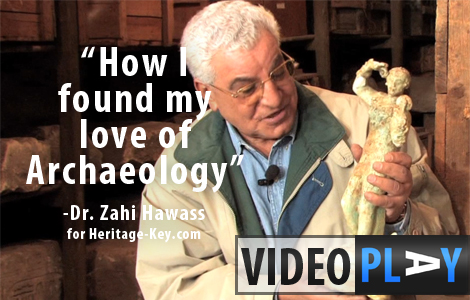
    It is not only at excavation sites that amazing artefacts can be discovered, but the archives of previous digs as well as the artefacts already in museums can still surprise us. Or what about the basement of the Cairo museum? Thousands of pieces, hidden away from both scholars and public. At least for now. Plans are under way to do a thorough ‘clean up’of the gigantic basement and who knows what will come to light when all items are eventually moved to the Grand Egyptian Museum? In the mean while, Dr. Zahi Hawass tells us about how a recent ‘re-discovery’…

  • malcolmj

    Why The Bust of Nefertiti Should Be Returned To Egypt

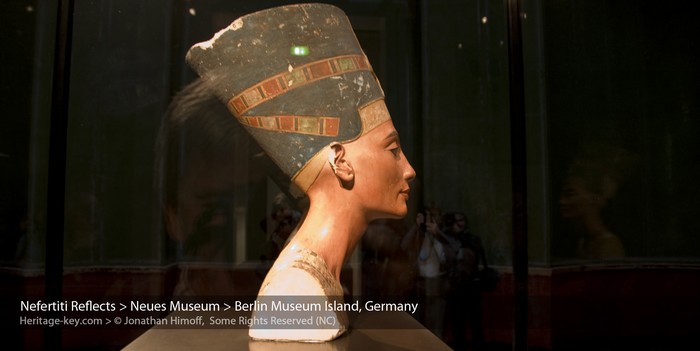
    With the recent reopening of the Neues Museum on Berlin’s Museum Island, the argument over ownership of the Bust of Nefertiti has once again been stoked. The Germans have made the priceless, beautiful, 3,400-year-old sculpture of the famous Egyptian Queen one of the centerpiece attractions of the 200-million Neues. It seems to have only caused the Egyptians to become more resolute in their efforts to get her back. Secretary General of the Egyptian Supreme Council of Antiquities Zahi Hawass stated recently that he would send a letter in October to Neues Museum directors containing irrefutable evidence in support of the…

  • bija-knowles

    Lists at the Louvre: Umberto Eco Curates ‘Mille e Tre’ Exhibition

    Everyone makes them (some of us more compulsively than others): scribbled on post-it notes, or kept mentally in our imaginations we all make lists. And we’re not the only ones either; lists have been around for a long time possibly since the first writing systems and certainly since Sumerian scribes began to keep accounts in the fourth millennium BC in Mesopotamia. So what is it about the beauty of a list its numerical order, hierarchy, completeness that makes them such a part of how we like to categorise, order and understand the world? An exhibition opening at the Louvre on…