
A Chinese-Turkish group of explorers have announced their discovery of Noah’s Ark, 4,000 metres up a mountain in eastern Turkey. The team, named Noah’s Ark Ministries International (NAMI), claim to have taken photographic and physical evidence of the remains on Mount Ararat, near the Turkish-Armenian border. The ‘evangelical explorers’ even say they have carbon-dated the ‘ark’ to around 4,800 years, bringing it in line with most historians’ views on the Biblical flood story. The group, comprising 15 adventurers from Hong Kong and Turkey, have also shown reporters wooden fragments, rope and nails they claim to have brought from the wreckage.…
-
-
More and more of us are travelling each year, but are we getting the most for our money? I’d say probably not, but the future’s looking brighter. As the latest Ancient World in London bloggers’ challenge suggests, travel continues to buck the economic meltdown. And it’s not surprising: at a time when it takes longer to get across London by car than to fly to the far end of Europe, and for less cash, why not globetrot? Much more of us are looking to infuse some culture into our foreign sojourns. But old-school P2P websites and shoddily slapped-together online guides…
-
Boudicca is a stupid name for a ship. Naming a Liverpool-based cruiseliner after one someone who murdered around 80,000 Romans in antiquity is hardly a great idea, especially when said ship is supposed to be travelling round the Mediterranean – you know, the sea that’s right next to Italy. The Boudicca’s management are in hot water today, but not the balmy waters of the Med. Rather the ship has had to return to Liverpool early after passengers were struck with the nasty norovirus, an intestinal problem which causes vomiting, nausea and diarrhea, for the sixth time in as many months.…
-
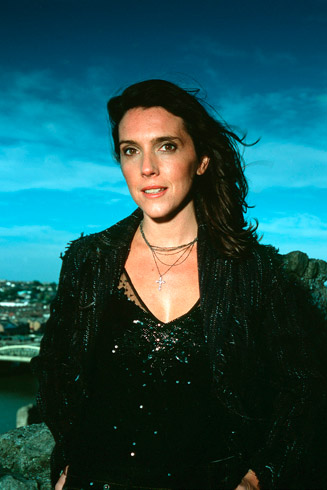
A key new signing has been made in the lead-up to the biggest sporting event of the year for philosophers: historian Bettany Hughes has joined Greek team Socrates Wanderers in a shock late move in the Philosophers’ Football Match 2010. Hughes, who has appeared in shows such Alexandria: The Greatest Cityand The Spartans joins a star-studded line-up for the show-off that includes comedians Mark Steel, Tony Hawks and Ariane Sharine. They’ll be facing off against a German side, Nietzsche Albion, featuring philosopher Julian Baggini, journalist Mark Vernon and funnyman Arthur Smith (missing his usual vets game for the occasion), as…
-
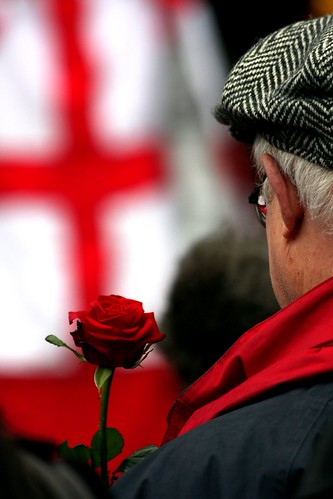
Saint George killed a dragon, saved a princess and became the patron saint of England. Tomorrow he’ll be honoured with no small amount of flag-waving, beer-drinking and, you’d think, a fair few A&E visits. But who’s the man behind the myth, the man Shakespeare’s Henry V evoked so brilliantly at Agincourt? George – good, strong English name, right? Wrong:George was born into Christian nobility in Cappadocia, a lunar landscape in central Turkey best known for its ‘fairy chimneys’, around the middle of the 2nd century AD. In truth George’s early years are about as ephemeral as Emile Heskey’s England career,…
-
Gladiator was the world’s biggest blockbuster when it hit screens in 2000. Now, ten years later, Colchester’s Odeon Cinema is offering viewers the chance to relive Ridley Scott’s classic on Thursday 13th May, with proceedings going to help save the city’s Roman Circus. The project has already reached an initial 200,000 target, which will eventually be joined by almost 600,000 in public and private funding. Yet Colchester Archaeology Trust, whose director Philip Crummy will introduce the film, may help to secure access to the Victorian building sitting on top of the circus, Britain’s only Roman chariot racecource, by the summer.…
-
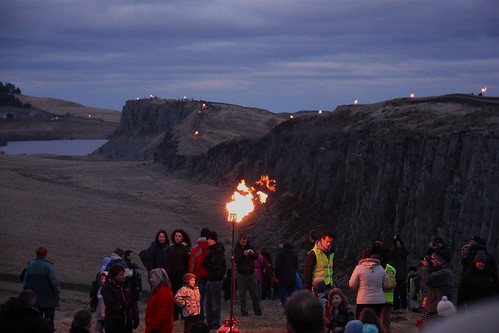
When he arrived in Britain in 122AD, Emperor Hadrian immediately saw a problem. The Roman Empire was already stretched thinner than a Jim Davidson joke, and spreading out into the monstrous back yard of the Picts and Brigantes, two of the island’s fiercest clans, was a hassle he couldn’t afford. So rather than waste energy fighting, Hadrian set about cordoning off Britannia with an 84 mile-long stone wall, manned by thousands of soldiers with its own towns and forts. But while Hadrian’s Wall ligatured Britannia’s frozen north, the southern capital of Londinium was also at risk of attack. And while…
-
Fearless globetrotters or carpetbagging looters? Whatever your opinion, Britain’s adventurers during the Age of Exploration, from the opening of the world’s first museum in Oxford to the King Tut tomb raid, changed ancient history forever. The Ancient World in London is reaching its climax, and over the course of our video series I’ve seen most of the city’s stunning treasures, from the Knidos Lion to the Assyrian Lion Hunt. So here’s a top ten greatest Age of Exploration personalities. If you think I’ve done well, or if you think I’m more inept than a boxer’s tear ducts, have your say…
-
From the bloody rebellion of Boudicca to the fearsome Norman invasion, London had always been under attack in its ancient past. Yet successes during the Middle Ages allowed the city and nation to branch out, conquering new lands and forging trade links all over the world. 1683 saw Oxford play host to the world’s first museum, the Ashmolean, allowing a new generation of explorers to quench their thirst for adventure. And just a few decades later London’s great archaeologists and antiquaries would spread their wings proper, globetrotting to far flung corners of the planet in search of great discoveries and…
-
King’s Lynn in Norfolk played host to the year’s oddest cultural occasions yesterday, as a 1.5 ton tree stump was lowered into the town’s Lynn Museum. But it was no ordinary stump: the giant piece of oak was once the centrepoint for 4,000-year-old Seahenge, an ancient circle of wooden posts discovered off the coast of Holme in 1998. The move is the last major event before the completed henge goes on display at the museum this summer in a replica of its original surroundings. Almost 50,000 people have visited the posts since they were first exhibited there in 2008. Each…