• lyn

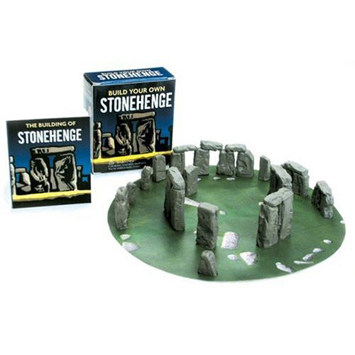
    Weddings, Sex, Theatre, Contraception… 10 Best Uses for a Stone Circle

    Geoff Holder is an extensively-published author with books that cover Earth mysteries, archaeology, witchcraft and a lot more. His books are an authoritative mix of extensive historical study combined with diligent field research. They are often geographically-based, with titles such as The Guide to Mysterious Glasgow and The Guide to the Mysterious Lake District. He describes himself as a Fortean, which means he’s interested in all things strange and weird, even if they’re not true. Archaeology features large in his books, with a particular emphasis on stone circles, henges and other neolithic ritual and funerary sites. His most recent book is…
  • jacqui-wood

    How to Cook the Perfect Christmas Dinner – Ancient Style

    As an experimental archaeologist and independent researcher, I’ve spent the last 30 years investigating the eating habits of ancient civilisations – including their ancient Christmas dinners. Here are some tips and recipes for the perfect xmas dinner that I’ve collected along the way. I use a technique that I’ve developed over the years to explore the practical aspects of the daily lives of prehistoric Europeans. The approach is based on the theory that the inherent skills and ingenuity of prehistoric European is still latent in the people of Europe today. But the skills of surviving in the northern European landscape…

  • sean-williams

    Guardian Reader Poll: Majority Wants Rosetta Stone to Stay in England

    Dr Zahi Hawass’ quest for the Rosetta Stone is gathering pace. And with the SCA chief set to visit the British Museum tonight to promote his latest book and holding a repatriation conference next March, it’s an issue which could become a lot more incendiary in the coming weeks. Hot on the tail of Heritage Key’s own survey to decide whether the BM should return some of its highest-prized artefacts, national newspaper the Guardian has probed its own readership on the Rosetta Stone’s repatriation. That’s not to say the Guardian’s poll is particularly far-reaching. Readers are simply given two options…

  • garry-shaw

    The King and I(deology)

    Although there is copious evidence for the Egyptian kings statues, huge depictions on temple walls, stelae the actual reality of the day-to-day work and personal authority of these individuals is often ignored in favour of discussions of divinity, art and ideology. There is good reason for this. Despite the extensive amount of evidence available to scholars, everything is shrouded in a thick layer of ideological presentation that masks the reality of the situation. This makes it difficult to separate fact from fiction: what are we to envision the king did every day? Initially, just for fun, it is interesting to…

  • sean-williams

    Dust, Damp and Doters Damaging King Tut’s Tomb, Say Getty Institute

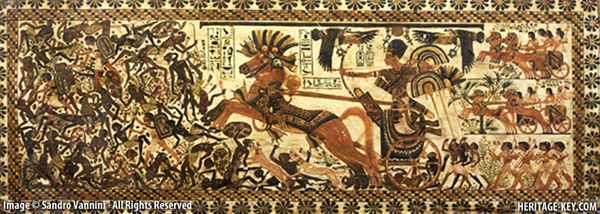
    The tomb of Tutankhamun is one of the world’s most famous ancient spots. Yet spots are precisely what are causing the decay of its beautiful wall paintings. The US-based Getty Conservation Institute have been drafted in to help mend the murals, but have been finding it an uphill struggle in the face of fierce desert weather and the onslaught of eager tourists. Dr Zahi Hawass, Egypt’s antiquities chief, has long bemoaned the damage tourists are doing to tombs at the Valley of theKings; the necropolis of ancient Thebes near modern Luxor. Dr Hawass has even mooted the idea of a…

  • images

    Sandro Vannini’s Photography – Tomb of Seti I (KV17): The Crypt’s Side Chamber

    In 2008, an archaeological team found that the Tomb of Seti I (KV17) was in fact larger than originally thought. Where the original discoverer,Giovanni Battista Belzoni had found the tomb to be 100 metres long when he entered in 1817, recent archaeological excavations overseen by the Supreme Council of Antiquities’ Director Dr Zahi Hawass (You can meet Sandro and Dr Hawass at the British Museum tonight, or meet Dr Zahi at his London book signing on Thursday) have uncovered a mysterious tunnel leading from the Crypt which further extends the tomb by another 36 metres at least (Watch a video…

  • bija-knowles

    Grunts From the Front: From Roman Tablets to Army Blogs

    Humans have always fought each other, but the written narrative of warfare begins about 6,000 years ago with documents detailing a conflict between Elam and Sumer (modern-day Iran and Iraq). Since then military history has been dominated by the official story of leaders and their strategic political and military decisions. Wars have rarely been narrated by the ordinary foot soldier, pilot or sailor. A notable exception to this is the fragmentary records from Vindolanda, some of which give us a soldier’s eye view of army life at a Roman fort between 90 and 120 AD. Information that we can glean…

  • graecyn

    Virtual World Photography: Tips & Tricks

    In continuing my tutorial series, I’d like to take today to point out some useful tips and tricks for taking photographs on the Heritage Key and Rezzable grids! These are sure to help you in your quest to capture the perfect moment while visiting the ancient heritage sites within the realms of Virtual Experience, so take note! Gearing Up to Take the Photo: This is one thing that too many Virtual World photographers overlook, including myself when I first started out. An old friend of mine sat me down one day and explained the importance of snapshot resolution when it…

  • Ann

    Roman Graffiti: From Pompeii with Love

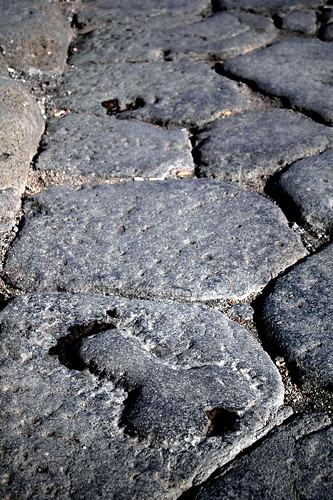
    When someone tweeted “Follow penis symbols to find ancient brothel!” in reply to the news of Pompeii being the next – after Stonehenge and parts of the Wall of China – world heritage site to be available for ‘armchair tourism’ on Google Earth, this reminded me of some of the ancient graffiti found at Pompeii. Because – guess what – apparently the Roman inscriptions did not differ that much from the graffiti, scribbling and tagging that you can find on a contemporary toilet wall (or for the web 2.0 generation: Facebook). Some are thoughtful and offer valuable advise – “the…

  • veigapaula

    Why I Don’t Believe the Bust of Nefertiti is Fake

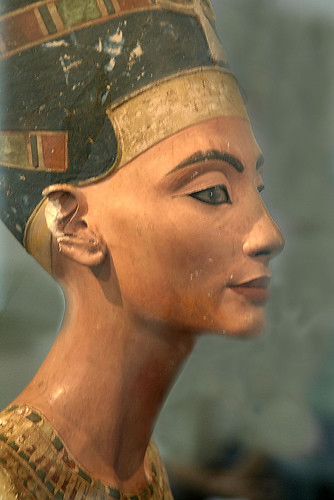
    Following all the doubt and controversy surrounding claims that the Bust of Nefertiti is a fake, I would like to present my case and say why I believe the bust, now housed in the Neues Museum in Berlin, is an original. Let’s go back and look at the evidence, starting with a 2008 article in KMT magazine named ‘Why Nefertiti Went to Berlin’ written by Dr Rolf Krauss. The article includes some important transcripts and images. One photo shows Egyptologists looking at the bust of Nefertiti, held by an Egyptian workman, captioned: ‘The first presentation of the bust of Nefertiti…