
David Pybus describes himself as a 21st century alchemist and aromancer, and says his mission in life is to get people to stop their frenetic living from time to time and to smell the roses. Hes underselling himself, of course. Hes really a chemist with more than 20 years experience at the worlds largest perfume makers. During an appearance on the BBCs Dragons Den in 2007, he convinced entrepreneurs Theo Paphitis and Peter Jones to part with 40,000 each to help launch Scents of Time, a range of fragrances based on ancient themes. Since his appearance on the show and…
-
-
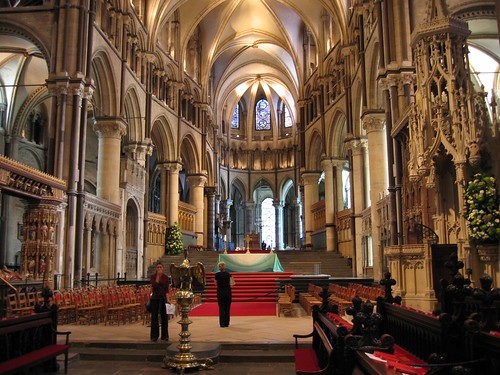
Canterbury City Council is the latest local authority set to close museums as part of cost-cutting measures. The council is wielding the budget axe and its decided that saving the citys Christmas lights is more important than keeping the Roman Museum open to the public. Under the budget proposals, the Roman Museum and the nearby the Westgate Towers Museum would close, while Herne Bay Museum would remain open only for educational groups (though apparently not for the general public who wish to educate themselves). Canterbury is not alone in sacrificing museums often seen as soft targets as part of cost-cutting…
-
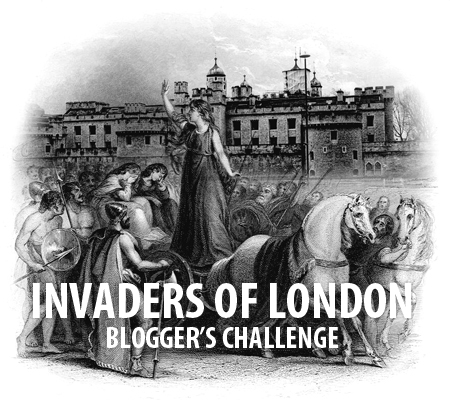
History enthusiasts, this is your moment to shine! Heritage Key is offering both corporal and virtual prizes for the best entries in this Ancient World in London blog contest. London has a long and remarkable history of invaders – foreign and native, ficticious and real. Medieval historians thought that its first invader was King Brutus, a Roman descendent of the Biblical Noah who came and settled the island with his following of emancipated Trojan slaves. The city’s more credible, but none the less colourful, invaders range from Roman soldiers to Essex farmers. Of course, not all invaders are created equal;…
-
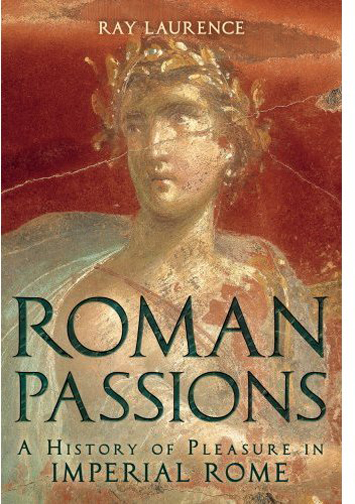
By the first century AD, Rome ruled an empire that stretched from Morocco in the West to Iraq in the East, and from Britain in the North to Egypt in the South. Within this territory was the Mediterranean, a ‘liquid continent’ that facilitated trade and exchange across it, and into which flowed a treasure trove of goods from far flung lands, including slaves, spices, precious stones, and coloured marble, not to mention an exotic array of foods and wine. By the time of the emperors, the Romans had created the world’s first global empire, and had plundered the provinces for…
-
The Agricultural Revolution in Prehistory Why did foragers become farmers? by Graeme Barker The Agricultural Revolution in Prehistory addresses one of the most debated and least understood revolutions in the history of our species, the change from hunting and gathering to farming. Graeme Barker takes a global view, and integrates a massive array of information from archaeology and many other disciplines, including anthropology, botany, climatology, genetics, linguistics, and zoology. Against current orthodoxy, Barker develops a strong case for the development of agricultural systems in many areas as transformations in the life-ways of the indigenous forager societies, and argues that these…
-
In a joint partnership with the Open University, the BBC broadcast the first of a seven-part series which is looking at the History of Britain through art and artefacts over the past 2,000 years in a TV series called “Seven Ages of Britain“. Shot in high definition, the programme is written and presented by the respected veteran broadcaster David Dimbleby who recounts the ancient-era story of the nation in the first episode. Heritage Key’s new series – Ancient World in London – which starts next week will build on the insights with a look at the age of Roman and…
-
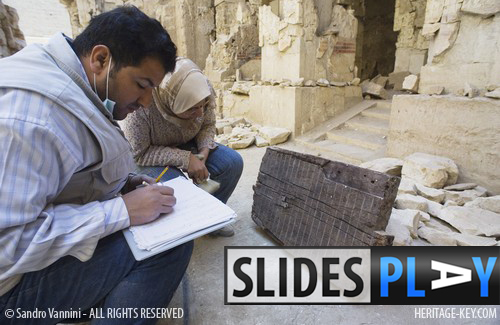
Egyptology photographer Sandro Vannini has been busy photographing tombs across Thebes for his new book “The Lost Tombs of Thebes:Lost in Paradise” and you can watch him at work in a Heritage Key video which also features Dr Zahi Hawass and Dr Janice Kamrin (Watch the video). During his photo-spree in this Ancient Egyptian city, Sandro took images of archaeologists hard at work at the site of TT34 – The Tomb of Montuemhat. Described by the excavation lead Dr Farouk Gomaa as “one of the largest [tombs] in Thebes“, the University of Tbingen archaeologist and his team are searching for…
-
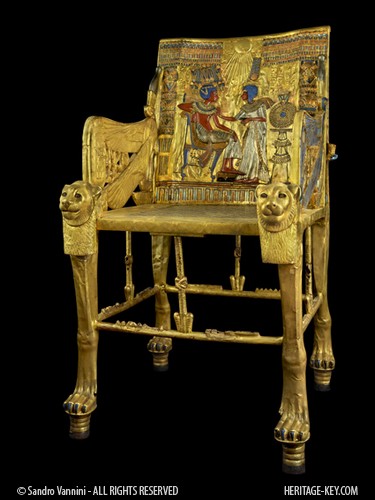
When you think of King Tut, do you see a young boy, struggling with the enormity of his power; a slender adolescent in control of the world’s greatest empire? Of course not, because you’re like me: you see the magnificent death mask, the coffins, shrines, shabtis, daggers, beds, decrepit mummy(with or without penis) et al. We ancient world-lovers are just magpies with laptops really. But do you ever wonder why, when Howard Carter and Lord Carnarvonburst into the tomb in 1922, they could see so many ‘wonderful things’? Why wasn’t Tutankhamun’s funerary procession made ancient swag, like those of nearly…
-
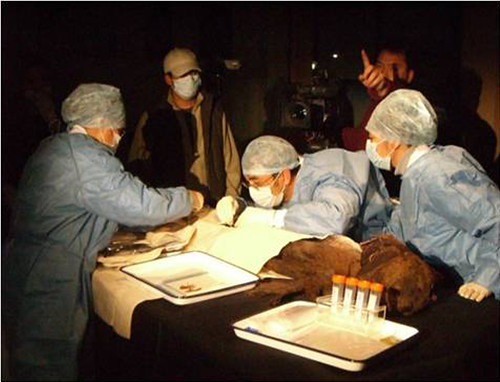
Calling all Chinese males with the last name Cao. Apparently, you might be the key to resolving Chinas latest archaeological controversy. Researchers at Shanghais Fudan University are collecting DNA samples from such people with the hope that they can help prove whether or not a recently discovered tomb belongs to a Chinese warlord. Made public in December, the tomb is believed to belong to Cao Cao, a legendary figure who lived during Chinas famed Three Kingdoms period (184 to 280). A corpse found at the site is the alleged remains of the ancient ruler. While archaeologists claim the find is…
-
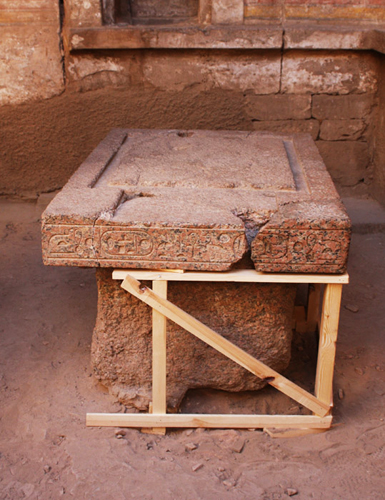
Egypt’s Minister of Culture Farouk Hosni and Dr. Zahi Hawass returned a piece of red granite belonging to an ancient Egyptian temple to its rightful place – the base of Amenemhat I’s naos. Both officials are on an inspection tour along the Avenue of Sphinxes that connects the Temple of Luxor with that of Karnak, home to the Ptah temple where the naos is to be found. The naos pieace was returned to Egypt last October by the Metropolitan Museum of Art in New York, after it was purchased by the Museum from an antiquities collector in New York in…