Archaeology and Landscape in the Altai Mountains of Mongolia is an ambitious project designed to provide the first ever in-depth survey of the cultural landscape of one of the most remote regions of the world. The Altai Mountains are on the western edge of Mongolia, wedged along the borders of China and Russia, and home to archaeological marvels such as engraved standing stones and rock art. We spoke to project leader Esther Jacobson-Tepfer, a Professor of Asian Art at the University of Oregon, whose first visit to the Altai (or Altay) Mountains in 1994 became the catalyst for the project,…
-
-
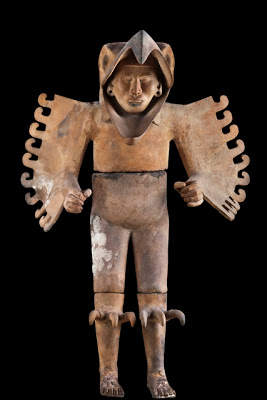
Scholars often refer to cultures who used monumental architecture for political purposes as a ‘theater-state’ and boy could the Aztecs put on a good show! When the Spanish conquistadors first glimpsed Tenochtitlan at its zenith in 1519, the Mexica capital and its suburbs surrounding Lake Texcoco was home to over a million inhabitants whose lives were punctuated by numerous festivities centered around amphitheaters and religious shrines scattered across the city. It is no wonder then, that the Spanish, many of whom were natives of Extremadura, a province of western Spain that was once a part of Roman Lusitania and birthplace…
-
This week Egypt’s antiquities chief Zahi Hawassplans to make a formal request for the return of the Bust of Nefertiti from Berlin. Neues Museum officials have already dismissed his continued attacks on the legality of the bust’s ownership, and are all but certain not to let go of their most prized asset. Hawass still has the backing of millions worldwide. But Nefertiti should stay where she is, and his quest to repatriate Egypt’s ancient relics is misguided, dangerous even, to Egypt’s cultural heritage. Dr Hawass has been planning the campaign for quite some time: in August last year he told…
-
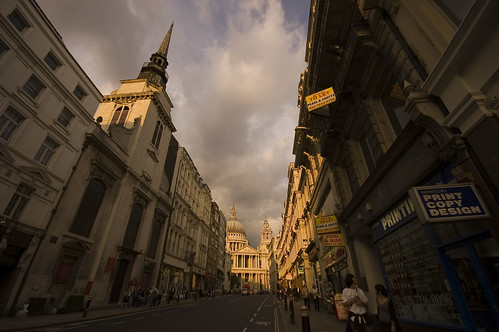
Ever wondered what lies beneath some of London’s biggest religious buildings? Cathedrals and other religious structures are often built on ancient sites that have had temples or churches built on them time and time again since early Roman times. They are urban landmarks, similar to roads and boundaries, which tend to retain their position throughout the ages, with modern town planners rebuilding on the same spot. They have been focal points for many major historical events, such as the invading Vikings burning down an early church at the site of St Paul’s, or in epoch-making events such as London’s Great…
-
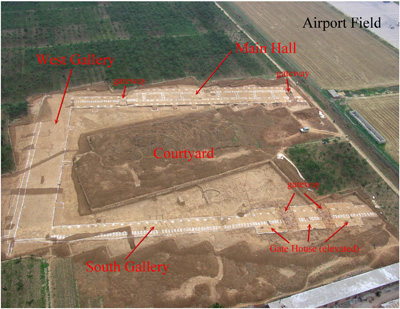
The Shang Dynasty of Ancient China is known for its divinations, oracle bone inscriptions and large urban centres. Now archaeologists have a new mystery to ponder. A team of researchers excavating a 3,300 year old Shang Dynasty palace-temple complex at the ancient city of Huanbei have discovered that it was burned down after only 50 years of use. Making it more enticing is that it wasnt burnt down by an invasion force, but by the citys own rulers. They stripped the complex of all its goods before committing the act. The only thing they left behind were human sacrifices at…
-
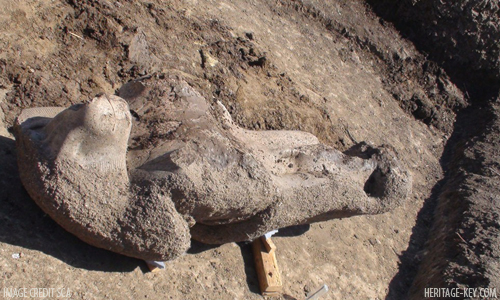
Archaeologists have discovered a colossal statue of the ancient Egyptian god Thoth at the north-western side of King Amenhotep III’s funerary temple at Luxor. The red granite statue depicting Thoth, the ancient Egyptian deity of wisdom, is 3,5 metres tall and 140 cm wide. In a statement, Dr Zahi Hawass said that evidence found at the excavation suggests more colossi could be found here still. The first traces of these large statues were uncovered during works aiming at controlling the subterranean water level on Luxor’s west bank. Only months ago, the head of 2,5 metres high statue depicting Pharaoh Amenhotep…
-
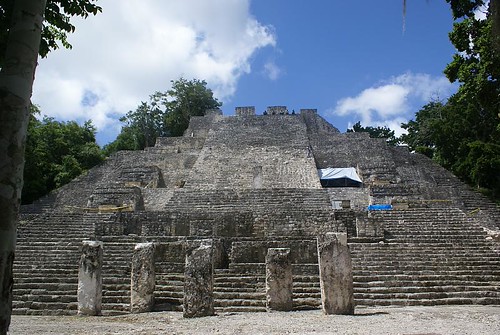
Attribution: José Manuel Reyes F. Key Dates Thriving between 400 and 900 AD, the Mayan city of Calakmul was rediscovered from the air in 1931. Campeche Mexico Key People The city was rediscovered by biologist Cyrus L. Lundell who was working for the Mexican Exploitation Chicle Company. He reported his findings to Sylvanus Morley of the Carnegie Institute. The largest Mayan city ever to be discovered, Calakmul may once have accommodated a population of 50,000 and held sway over terroritories as far as 150km distant from it. It stands in the Calakmul Biosphere Reserve, deep in the jungle of the…
-
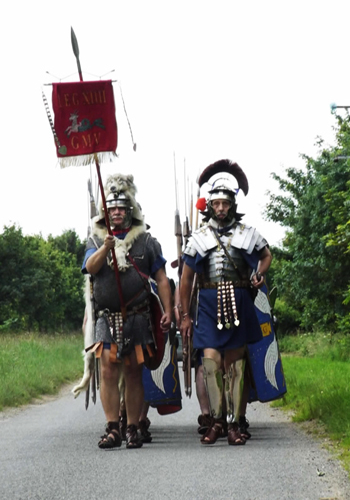
The latest looks are in from the long and straight catwalks of Rome. Darlings, for too long we have contented ourselves with the same-old same-old. Celtic looks bereft of new ideas or new materials. All that is about to change: the Romans are on our shores and are here to stay. We are at the start of an exciting period, the conquest will revolutionise the look of Britain. Out with the old and in with the fabulous new! Romanise, Modernise, Glamorise! Classic fashionadvice for Brittaniaby Claudius Campus Celtic fashions have been limited by the colours and fabrics available on the…
-
Here at Heritage Key we are looking for enthusiastic history experts who can stream live lectures using our Virtual Areas. Are you are fascinated about Egypt, Stonehenge , Terracota Warriors or the Assyrian Lion Hunt? Heritage Key website and Heritage Key Virtual both create a wonderful platform to reach a wide range of enthusiasts around the world who would love to walk through the Valley of the Kings by an expert and listen to a lecture about the period. There are endless exciting opportunuties to create live events, and lectures that are to be broadcasted simultaneously on the web, on…
-
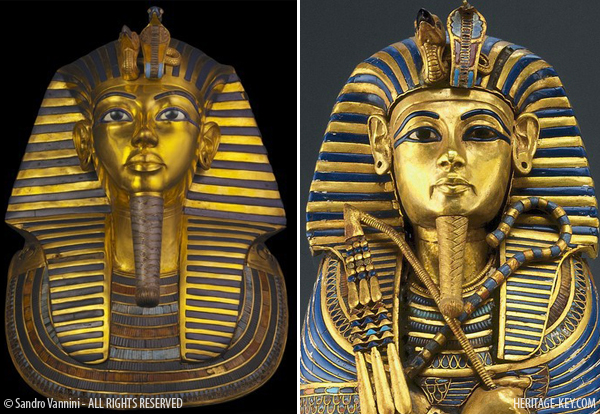
Dr. David Silverman is delighted at the thought that visitors to Tutankhamun and the Golden Age of the Pharaohs, one of two King Tut exhibitions touring North America right now, would come away as I did – with an itching interest in Akhenaten, who was almost certainly King Tuts father. Hes also enthused at the idea that viewing the vast exhibition at the Discovery Time Square Exposition, with 130 significant objects from King Tuts tomb and the 100 years preceding the boy kings life, will spur people to go take a look at King Tuts funerary urns up at the…