• sean-williams

    Roman Villa and Saxon Minster Discovered in Gloucestershire

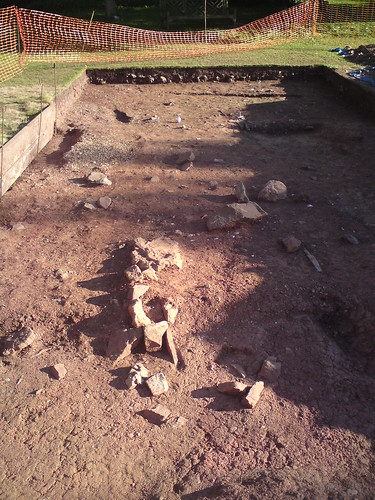
    Evidence of an imperial Roman villa has been discovered in Gloucestershire, England – just hours before archaeologists were due to fill its trench back up. The remains, a large quantity of Roman wall plaster, were found last Friday (June 11) as a Bristol University team led by TV archaeologists Dr Stuart Prior and Prof Mark Horton were winding up work at the site, which has already offered proof of Saxon settlement. The remains, in the grounds of Berkeley’s Edward Jenner Museum, also include Roman coins and roof tiles. The villa is likely to date from the 3rd or 4th century…
  • ellie

    Fashion Tips for Avatars: How to Look Your Best in the Virtual World

    We spend years getting taught how to dress by our parents, but here in the virtual world you are thrown straight in at the deep end: so at the age of 26 I found myself cold, unhappy, completely confused and desperate for a virtual mum or dad to lift up my arms and put a vest on me. It might sound ridiculous but I felt after a week of wearing the same old, it was time for a change, but my God, did that change take forever and a day to make! So Ellie the avatar needed a revamp, but…

  • sean-williams

    New Stonehenge Visitor Centre Scrapped

    The ‘sustainable and affordable’ new Stonehenge visitor centre has been scrapped, because the government can’t afford it. The 25m ($37m) project, which was given the go-ahead in January by then-Culture Secretary Andy Burnham, has been axed after a review of all government spending decisions made since the beginning of the year. The news will come as a huge shock to English Heritage, owners of Stonehenge, and local and national tourism firms, who have hoped the new centre, 1.5 miles away from the stone circle, could make Stonehenge a more attractive proposal. The timing of the move seems particularly bad with…

  • veigapaula

    A Day Exploring Flinders Petrie’s World of Excavation and Collecting

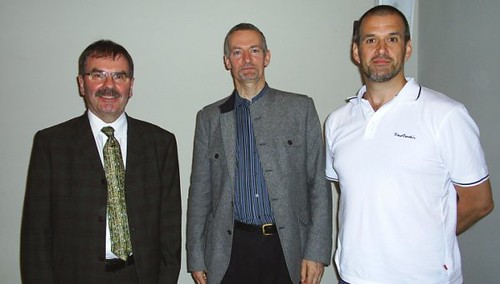
    It was a lovely sunny day throughout the UK and everyone at the exquisite Pollok Country Park was making the most of the sunshine. I walked passed the sunbathers to where The Burrell Collection is housed, to attend a Study Day about the work and life of Flinders Petrie, organized by Egyptology Scotland. Magi Sloan, chairperson of Egyptology Scotland, did an excellent job of putting together three specialists on Petrie collections from different parts of the country: Professor Stephen Quirke from the Petrie Museum in London, Simon Eccles, senior curator of Ancient Civilizations at the Burrell Collection and responsible for…

  • ellie

    Long-lost Bones Belong to Saxon Queen Eadgyth

    This is the most exciting archaeological story of 2010. Once again the University of Bristol is leading the world in research. And I am lucky enough to be going back to my favorite university today to hear this groundbreaking new evidence of Princess Edith’s legend. Scientists will announce that bones excavated in Magdeburg Cathedral in 2008 are those of SaxonQueen Eadgyth (‘Edith of England’) who died in AD 946. Crucial scientific evidence came from teeth preserved in the upper jaw. The bones are the oldest surviving remains of an English royal burial. The original excavations (view the 2006-2009 excavation here)…

  • site

    Portchester Castle

    Attribution: Air Frame Photography Key Dates ca 375 AD – construction 1396 – Richard II transformed part of the castle into a palace Portchester United Kingdom Portchester Castle is the best-preserved of the Roman ‘Saxon Shore’ forts. It coveres an area of nearly ten acres and was originally built in the late 3rd century.  Its walls still stand to their full 6 metre height. Originally constructed as a Roman fort, it saw continued use over the next sixteen centuries:  it housed a Saxon settlement, became a Norman castle, was transformed into a palace by Richard II and housed troops during the Civil war, and…

  • owenjarus

    Calling all west-coast Egypt fans – King Tut event to take place in Vancouver!

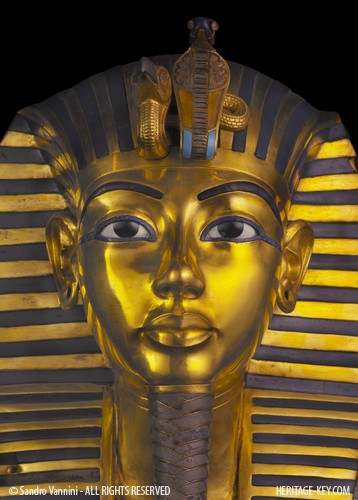
    While the golden kings exhibition has left Canada for southern climes, those in Vancouver will have an opportunity to learn more about him and more specifically how his artefacts reinforced his position as pharaoh. Professor Katja Goebs research looks at Egyptian pharaohs and the artefacts that cement their hold on power. Her most recent book Crowns in early Egyptian Funerary Literature: Royalty, Rebirth, and Destruction, examines the white and red crowns ofUpper and Lower Egypt. They possess a wide-ranging symbolism that transcends the terrestrial sphere to encompass the divine and the cosmos, death and rebirth, she wrote in the book…

  • Ann

    ‘Archaeologists and Travelers in Ottoman Lands’ – The Penn Museum’s Near-East First

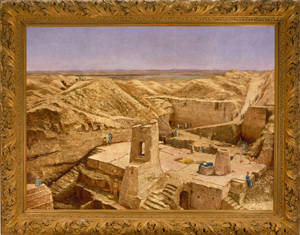
    In the 1880s, a time of great opportunities and great adventures, the University of Pennsylvania Museum organized America’s first archaeological expedition to the ancient Near East – to Nippur, a promising but far-flung Mesopotamian site then within the vast Ottoman Empire, now located in Iraq to the south of Baghdad. Nearly 130 years and 400 archaeological and anthropological expeditions later, the museum returns to ‘the Age of Exploration’ and their first Near Eastdig with the exhibition’Archaeologists and Travelers in Ottoman Lands’ (September 2010 to February 2011). ‘Archaeologists and Travelers in Ottoman Lands’ offers a gimps at the accomplishments, struggles, and…

  • Ann

    Maya People Knew about Prehistory: Aquatic Underworld based on Marine Fossils

    Fossils found at the ancient city of Palenque, Chiapas shows Maya people conceived their beliefs of the underworld from them, associating the beliefs with water. To the Palenque, these fossils were convincing proof that the land was covered by the sea a long time ago, and from this they created their ideas on the origin of the world. A three-year study by archaeologist Martha Cuevas and geologist Jesus Alvarado, was aimed at connecting the symbolism made by ancient Mayans to remains from Prehistoric times. The interdisciplinary investigation, by the National Institute of Anthropology and History (INAH) and the National Autonomous…

  • sean-williams

    Reimagining Stonehenge – Rejecting the Three Phases

    The three phases of Stonehenge? Wrong. In fact you can throw your three phases out the window – it just doesn’t work any more. “We were wrong about Stonehenge,” says anthropologist Mary-Ann Craig during today’s HKTV live lecture. “(Three phases) doesn’t explain it properly: we need phase 3.1; 3.2 and then 3.2b, it doesn’t seem to work.” Mary-Ann’s lecture on the history of Stonehenge and the mystery of stone circles was an instant hit with the HK office, and our many viewers online. Personally I was fascinated by the idea that Bluestonehenge, a stone circle discovered just last year, may…