
The tourist climb to the top of Australia’s most famous ancient site, Uluru, could be closed following the approval of a new management plan for the UNESCO World Heritage-listed Uluu-Kata Tjua National Park. However the final decision to close the controversial climb will not be made until one of the following three conditions is met. The number of people climbing the ancient icon drops from the current 38% to less than 20% The climb is no longer the major reason visitors travel to Uluru A range of new experiences are in place for visitors. It could therefore take years for…
-
-
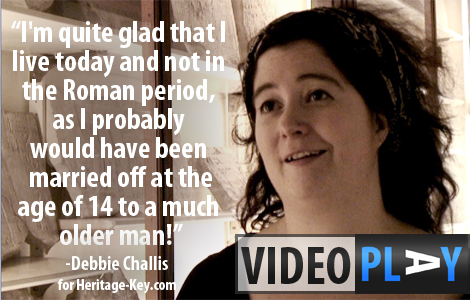
It’s the month of love, as our wealth of Valentine’s-inspired articles and contests testify (including dinner at Stonehenge Virtual and the top ten ancient romances), so from the murky history of theLondon Stone, we’ve delved into the mucky world of love and sex in the ancient world. A quick glance on the net will show you February has been linked with love since the Classical Period: Lupercalia, celebrated from the 13th to 15th, hailed fertility – while Gamelion worshipped the marriage of Zeus and Hera. But there’s a seedier side to Greco-Roman relations. And if you’ve ever seen the erotic…
-
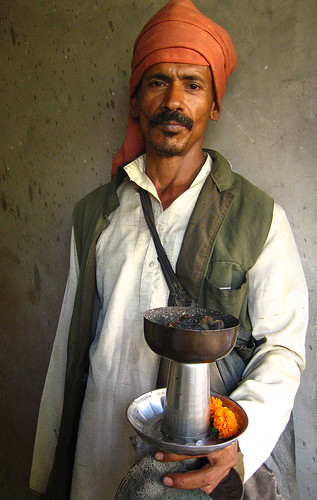
The ancient Egyptians were well aware of the properties of Frankincense, and used it to treat phlegm, asthma, throat and larynx infections that bleed, and for calming down vomiting. The inhalation of the melted stem relieves both bronchitis and laryngitis. But new research by immunologist Mahmoud Suhail suggests that it may contain properties that could cure cancer. Could the knowledge of the ancient Egyptians be scoured to revolutionise cancer treatment today? Frankincense is grown in green valleys, on the other side of the Dhofar Mountains that catch India’s summer monsoons, making the area a paradise in the Arabian Peninsula. Boswellia…
-
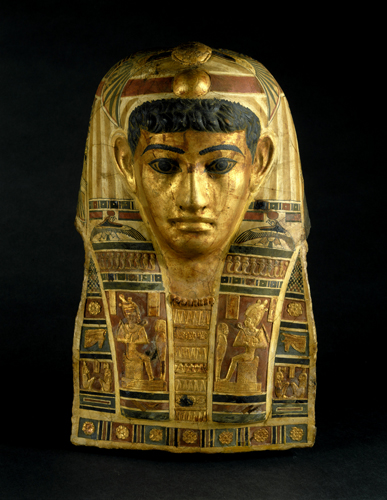
Ancient Egyptians faced tricky compromises over how they would be seen dead, a new exhibition at New York’s Brooklyn Museum reveals. “To Live Forever: Art and the Afterlife in Ancient Egypt,” emphasizes the often unpalatably expensive options that lay before Ancient Egyptians when considering burial. They had to think long and hard about what they could afford in the afterlife. As has often been pointed out, the phrase “you can’t take it with you” had absolutely no purchase in Ancient Egypt, and the lengths to which humans were expected to go to demonstrate material wealth in the next life made…
-

The Explorers Club’s Great Britain Chapter was founded as late as 1977, but its first chairman, Bill Egerton Sykes, was thoroughly invested in one of the great ancient mysteries – Atlantis. A British intelligence officer, Sykes had a lifetime fascination concerning Atlantis. He lectured to the Explorers Club in New York in 1966 on this subject in 1966, and continued to investigate and gather evidence for the existence of this mythical lost continent until his death in 1983. These days, the Explorers Club, which doesn’t have a permanent venue in London but meets in various places four or five times…
-
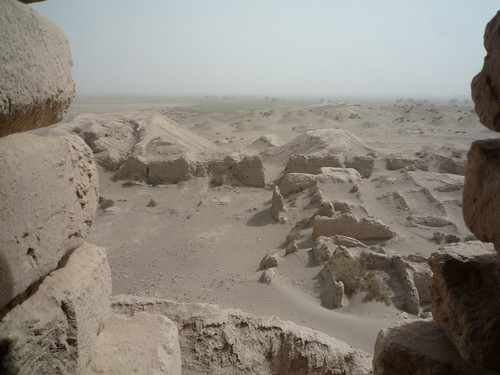
Attribution: whereispavel Nuffar Iraq Key Dates The site of Nippur was first settled around 5000 BC. Several temples were built there in the middle of the 3rd millenium BC, by which point it had become the centre of worship of the Sumerian storm god Enlil. Nippur fell into decline around the 3rd century AD, and was abandoned by 800 AD. It was first excavated, briefly in 1851. A fuller project lasted from 1889-1900. The most recent programme began in 1948, and remains ongoing, although fieldwork has been broken-off since 1990 and the Gulf War. Key People The first person to…
-
David Pybus describes himself as a 21st century alchemist and aromancer, and says his mission in life is to get people to stop their frenetic living from time to time and to smell the roses. Hes underselling himself, of course. Hes really a chemist with more than 20 years experience at the worlds largest perfume makers. During an appearance on the BBCs Dragons Den in 2007, he convinced entrepreneurs Theo Paphitis and Peter Jones to part with 40,000 each to help launch Scents of Time, a range of fragrances based on ancient themes. Since his appearance on the show and…
-
The Agricultural Revolution in Prehistory Why did foragers become farmers? by Graeme Barker The Agricultural Revolution in Prehistory addresses one of the most debated and least understood revolutions in the history of our species, the change from hunting and gathering to farming. Graeme Barker takes a global view, and integrates a massive array of information from archaeology and many other disciplines, including anthropology, botany, climatology, genetics, linguistics, and zoology. Against current orthodoxy, Barker develops a strong case for the development of agricultural systems in many areas as transformations in the life-ways of the indigenous forager societies, and argues that these…
-
In a joint partnership with the Open University, the BBC broadcast the first of a seven-part series which is looking at the History of Britain through art and artefacts over the past 2,000 years in a TV series called “Seven Ages of Britain“. Shot in high definition, the programme is written and presented by the respected veteran broadcaster David Dimbleby who recounts the ancient-era story of the nation in the first episode. Heritage Key’s new series – Ancient World in London – which starts next week will build on the insights with a look at the age of Roman and…
-
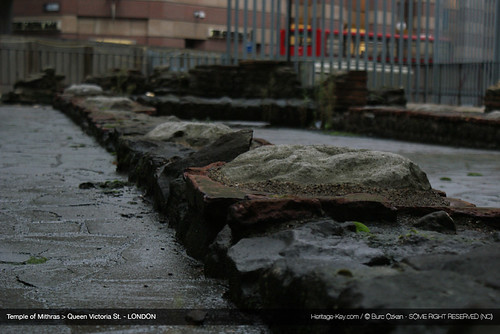
Like any major western city, modern London encourages its residents to live a lifestyle focussed upon the secular. On the surface, finance, business, fashion, the career and socialising outwardly seem to be the major concerns of Londoners as they rush around town. However, one does not need to look far to be reminded of the fact London is very much a religious centre, on top of being the hub for so many other preoccupations of British lives. St. Paul’s Cathedral has been dominant in the city skyline, in one form or another, for nearly a thousand years. Westminster Cathedral and…