• veigapaula

    Could Frankincense Revolutionise Cancer Treatment?

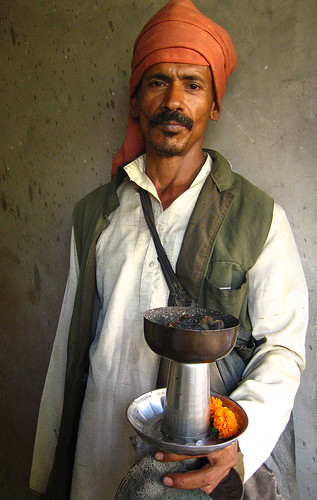
    The ancient Egyptians were well aware of the properties of Frankincense, and used it to treat phlegm, asthma, throat and larynx infections that bleed, and for calming down vomiting. The inhalation of the melted stem relieves both bronchitis and laryngitis. But new research by immunologist Mahmoud Suhail suggests that it may contain properties that could cure cancer. Could the knowledge of the ancient Egyptians be scoured to revolutionise cancer treatment today? Frankincense is grown in green valleys, on the other side of the Dhofar Mountains that catch India’s summer monsoons, making the area a paradise in the Arabian Peninsula. Boswellia…
  • malcolmj

    Britain’s Oldest Shipwreck Discovered Off Devonshire Coast

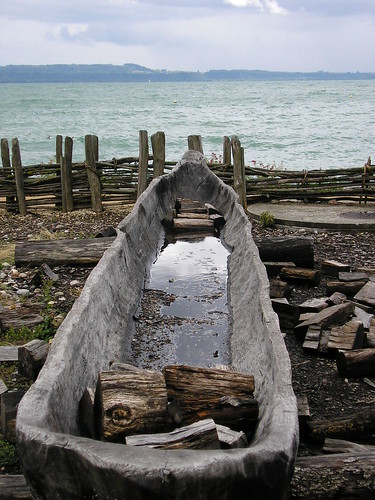
    A 3,000 year old Bronze Age trading vessel the oldest shipwreck ever found in British waters has been located off the coast of Devon in southwest England. It went down around 900 BC carrying a precious cargo of tin and copper ingots from the continent, and has lain undetected on the seabed in just eight to ten metres of water in a bay near Salcombe ever since. Experts have hailed the discovery one of only four Bronze Age vessels found in British waters as extremely important, and genuinely exciting. Investigation and recovery work on the boats cargo was carried out…

  • cath-parnell

    10 Ways to Experience Ancient Greece in London

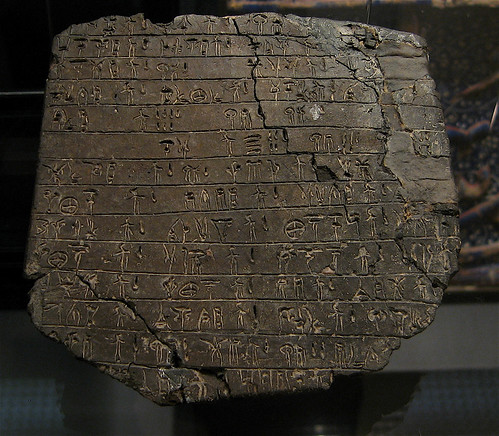
    The history of Athens and its many monuments is endlessly exciting for visitors and you don’t need to be in the city itself to get a taste of its glorious past. Wander around London, admire a few buildings, have a short visit to the British Museum and then finish your day with a trip to the cinema and you will feel like you’ve been to transported to ancient Greece. So here are 10 points of call for experiencing your very own “Athens day” in London. 1. Clay tablets With Linear B Get to grips with the language of ancient Greece…

  • owenjarus

    Looted Artefacts Sold to Tourists in Israel Antiquities Scam

    A researcher has uncovered evidence of a widespread scam in Israel that results in tourists buying recently looted artefacts without their knowledge. Buying antiquities in Israel is legal if they were found before 1978, the year a major antiquities law was passed. There are numerous dealers in Israel, who are required to register with the Israel Antiquities Authority and keep an inventory of the artefacts they have for sale. Dr. Morag Kersel, of Brown University in the United States, has been studying the illegal antiquities trade in Israel, Jordan and the Palestinian Territories. Dr Kersel has been conducting interviews with…

  • helen-atkinson

    How to Save Cash and Live Forever: Brooklyn Museum Exhibition Reveals Secrets of the Thrifty Egyptians

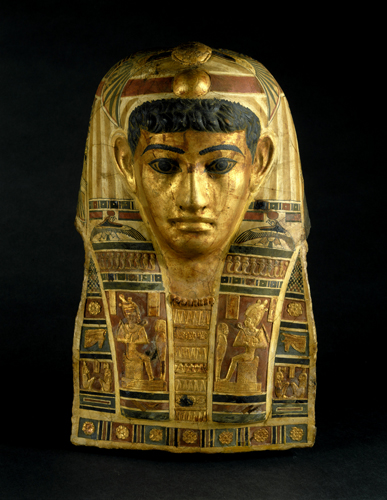
    Ancient Egyptians faced tricky compromises over how they would be seen dead, a new exhibition at New York’s Brooklyn Museum reveals. “To Live Forever: Art and the Afterlife in Ancient Egypt,” emphasizes the often unpalatably expensive options that lay before Ancient Egyptians when considering burial. They had to think long and hard about what they could afford in the afterlife. As has often been pointed out, the phrase “you can’t take it with you” had absolutely no purchase in Ancient Egypt, and the lengths to which humans were expected to go to demonstrate material wealth in the next life made…

  • britain

    Roman London: The Battles and Rebellions that Shaped the City

    When Roman troops led by Aulus Plautius arrived on the banks of the Thames shortly after they landed in Britain (probably on the east coast of Kent or near Southampton) in 43 AD, they would have found little more than a few Iron Age settlements on the banks of a river, with few roads and not much trade to speak of. Within a century the Roman settlers had laid down the foundations of a bustling trade town, which rebuilt itself after numerous attacks, fires and a possible Plague epidemic, with a population peaking between 45,000 and 60,000 by the mid…

  • britain

    Climbing Everest is Not Enough for the Explorers Club’s British Chapter

    The Explorers Club’s Great Britain Chapter was founded as late as 1977, but its first chairman, Bill Egerton Sykes, was thoroughly invested in one of the great ancient mysteries – Atlantis. A British intelligence officer, Sykes had a lifetime fascination concerning Atlantis.  He lectured to the Explorers Club in New York in 1966 on this subject in 1966, and continued to investigate and gather evidence for the existence of this mythical lost continent until his death in 1983. These days, the Explorers Club, which doesn’t have a permanent venue in London but meets in various places four or five times…

  • sean-williams

    Talk to the London Stone Live on Monday Night!

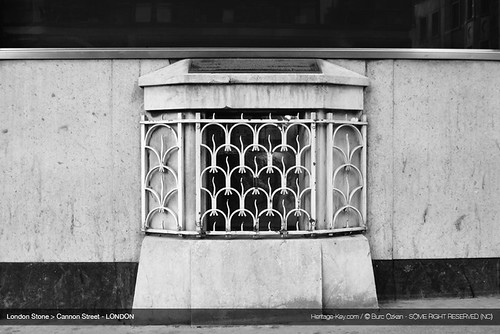
    Ever thought you’d been speaking to a brick wall day? Well now’s your chance to try it out for real, as we hook up with the London Stone on Twitter on Monday for what promises to be the masonry equivalent to Frost vs Nixon. And though you can get a huge dose of the stone’s history in our inaugural Ancient World in London video, this is a web event not to be missed. Learn all about one of London’s weirdest treasures at 7pm Monday! As arbiters of ancient info, Heritage Key has managed to bypass the artefact’s hefty entourage for…

  • greece

    Statue of Pericles

    Attribution: Jon Himoff Key Dates 440 BC Created around 440 BC The statue of Pericles (also known as Perikles) was created by the Greek Sculptor Kresilas who was originally from Kydonia. Pericles was an powerful statesman in Athens through the Golden Age. He lived between 461 and 429 BC, and had a major influence on Athenian society. The Corinthian Helmet over his head symbolises his position as a General in the military. There are also other examples of it in the British Musuem and the Vatican Museum. Origin & Collection Discovered at: Zincirli On display at: Altes Museum, Berlin Physical…

  • site

    Nippur

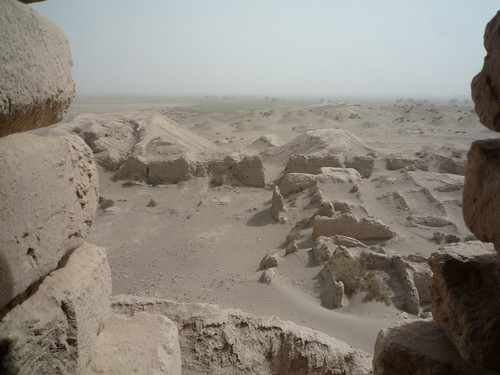
    Attribution: whereispavel Nuffar Iraq Key Dates The site of Nippur was first settled around 5000 BC. Several temples were built there in the middle of the 3rd millenium BC, by which point it had become the centre of worship of the Sumerian storm god Enlil. Nippur fell into decline around the 3rd century AD, and was abandoned by 800 AD. It was first excavated, briefly in 1851. A fuller project lasted from 1889-1900. The most recent programme began in 1948, and remains ongoing, although fieldwork has been broken-off since 1990 and the Gulf War. Key People The first person to…